
Are all peptides basically the same?
No. That is one of the biggest reasons the category gets confusing. Some peptide conversations make much more sense in skincare, while others sit closer to investigational or medical territory.
Why does Susie start with GHK-Cu?
Because it is the cleanest beauty-first entry point. It is easier to explain in skin terms without making the section sound like it is drifting into internet medicine culture.
What kind of peptide products can actually show up in Susie’s world?
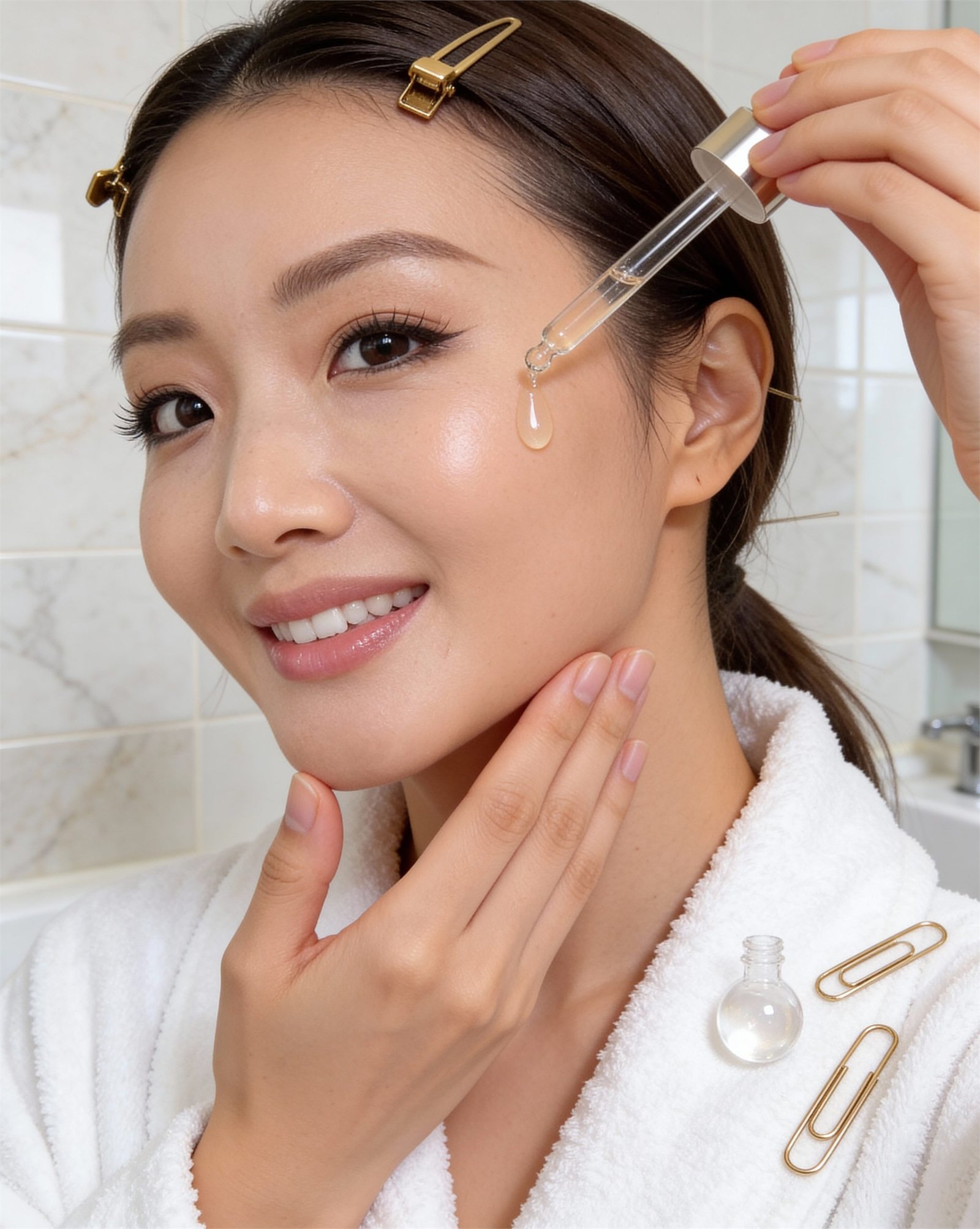
Topical peptide serums, skin-support formulas, and a carefully chosen device or micro-infusion system are the cleanest fit. Those still belong to skincare language. They can be featured carefully without making the brand sound medically confused.
Why discuss BPC-157 or MOTS-c at all if the tone is cautious?
Because women are already hearing about them. Ignoring that curiosity does not build trust. Handling it carefully, with visible limits, does.
Why is GLP-1 in the guide if it is a medication topic?
Because beauty audiences are already hearing about it through body, wellness, and aesthetic conversations. The site should acknowledge that reality while keeping the framing serious and medically respectful.
Is NAD a peptide?
No. It belongs nearby because women see it in longevity and metabolic conversations, but the whole point of this section is to separate what is related from what is actually the same category.
Will Susie sell BPC-157, MOTS-c, GLP-1, or NAD products here?
No. Those topics belong in careful explainers, not in casual beauty commerce. GLP-1 is a medication conversation, NAD is not a peptide, and BPC-157 and MOTS-c sit in a much stricter curiosity lane than ordinary skincare.
What makes Susie’s peptide section different from internet hype?
The structure. It begins with category sorting, an evidence ladder, and visible boundaries instead of trying to make every topic sound equally advanced, equally usable, or equally proven.